
Safe and reliable medical equipment is at the heart of quality patient care. From hospital beds to infusion pumps, every device in your facility plays a role in saving lives, preventing errors, and ensuring comfort. That’s why durable medical equipment (DME) must meet strict safety standards.
At Syracuse Biomedical Services, we’ve seen how equipment that isn’t properly maintained or tested can cause costly downtime—and in the worst cases, compromise patient safety. This blog will guide you through the entire journey:
- The role of biomedical technicians in keeping healthcare running.
- Safety standards every provider must know about DME equipment.
- How compliance testing and certification protect both patients and facilities.
The Role of Biomedical Technicians in Modern Healthcare
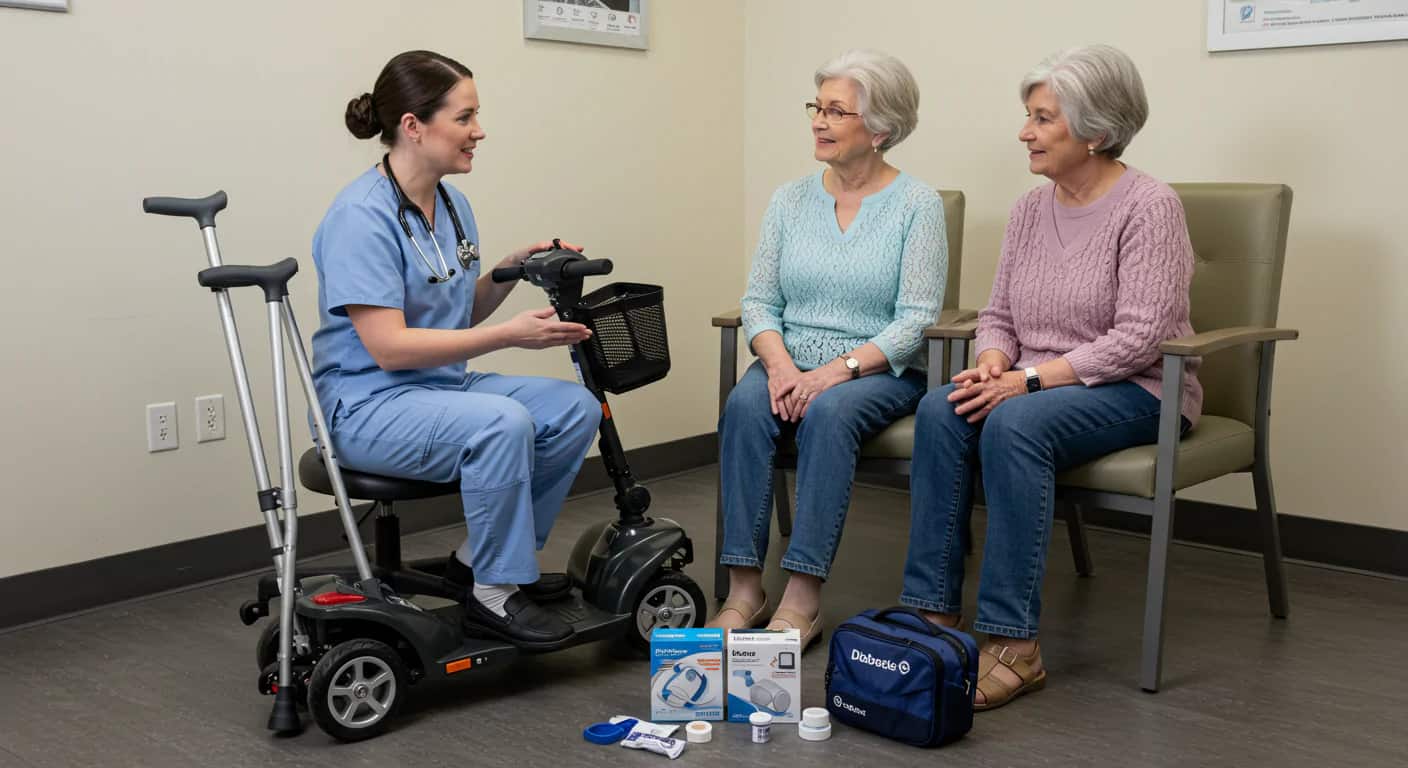
Behind every working defibrillator, ventilator, or patient monitor is a biomedical technician. These skilled professionals work quietly in the background, but their contribution is vital to safe healthcare.
Why Biomedical Technicians Matter
- Preventive maintenance: They spot problems before they turn into failures. For example, a technician may detect wear in an infusion pump that could lead to dangerous medication dosing errors if left unchecked.
- Calibration: By fine-tuning equipment, they ensure accurate readings and reliable results—critical for tools like blood pressure monitors or diagnostic machines.
- Repairs: Fast, expert repairs reduce downtime and keep care flowing, especially in busy hospitals.
Without their expertise, providers face the risk of inaccurate results, delays in treatment, and regulatory non-compliance. The Joint Commission requires that all medical equipment be maintained in accordance with manufacturer instructions or an approved maintenance program, with 100% preventive maintenance compliance for accredited facilities (The Joint Commission, 2023; STERIS, 2023).
Real-world insight: During routine testing, it’s not uncommon for our team to find patient monitors drifting out of calibration. Left unchecked, this can lead to misdiagnosis. Correcting the issue immediately ensures staff have the reliable data they need.
Biomedical technicians aren’t just fixing machines—they’re safeguarding lives.
DME Equipment Safety Standards Every Healthcare Provider Must Know
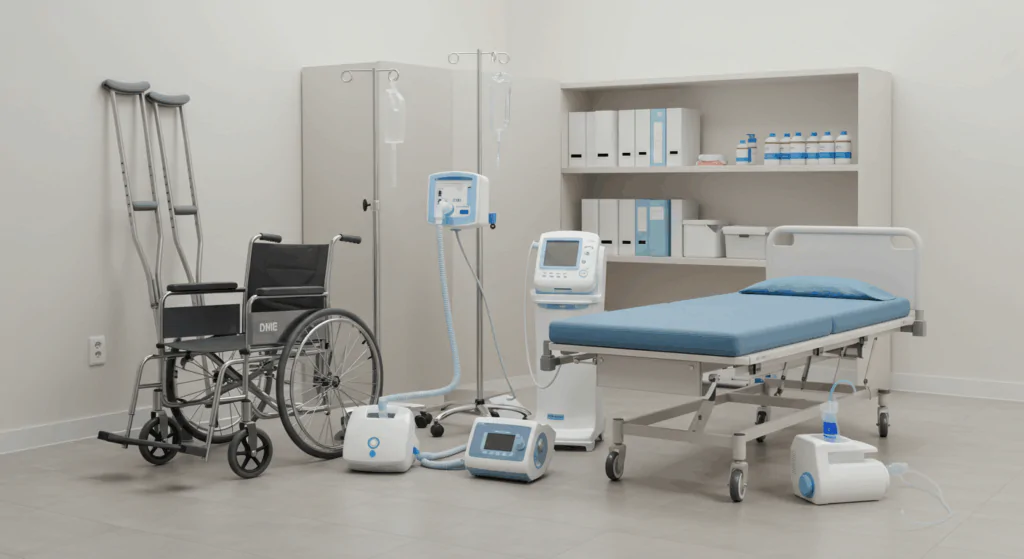
Durable medical equipment covers a wide range of tools: oxygen concentrators, wheelchairs, CPAP machines, hospital beds, and more. Each is designed for repeated use and plays a direct role in patient health. Because of this, strict safety standards exist to govern how DME is used, maintained, and tested.
| Standard | What It Covers | Why It Matters |
| FDA Regulations | Device design, manufacturing, and post-market monitoring | Ensures devices are safe, effective, and manufactured under strict quality systems |
| The Joint Commission (TJC) | Maintenance schedules, performance checks, service logs for accreditation | Required for hospital accreditation and ongoing compliance |
| ISO Standards (e.g., ISO 13485) | International quality management frameworks | Helps facilities align with global best practices and reduce risk |
1. FDA Regulations
The U.S. Food and Drug Administration (FDA), through its Center for Devices and Radiological Health (CDRH), oversees the safety, effectiveness, and manufacturing quality (including ongoing compliance) of medical devices across their full lifecycle. Healthcare providers are therefore responsible for maintaining, repairing, and servicing these devices to ensure they continue to meet safety standards throughout their use (U.S. Food & Drug Administration, 2024; U.S. Food & Drug Administration, 2023).
2. The Joint Commission (TJC)
Facilities seeking accreditation must prove that all medical equipment is properly inspected, maintained, and documented. This includes having clear maintenance schedules, performance checks, and logs available during inspections.
3. ISO Standards
International standards, such as ISO 13485 for medical devices, outline quality management requirements for consistent, safe performance. While not mandatory for every provider, many facilities adopt ISO-based practices to ensure global best practices are followed.
Why Compliance Matters
- Protect patients: Properly functioning equipment prevents harm and reduces medical errors.
- Regulatory readiness: Staying aligned with standards ensures smooth inspections and avoids fines.
- Financial stability: Preventive maintenance saves money by extending the life of expensive devices.
Pro tip: Keep a dedicated service log for every piece of DME equipment. Documenting calibration, repairs, and compliance tests ensures you’re always inspection-ready.
Durable medical equipment isn’t just about functionality—it’s about trust. Patients and staff rely on these tools every day, and providers must be confident that each one is safe.
Compliance Testing & Certification Services for Medical Equipment
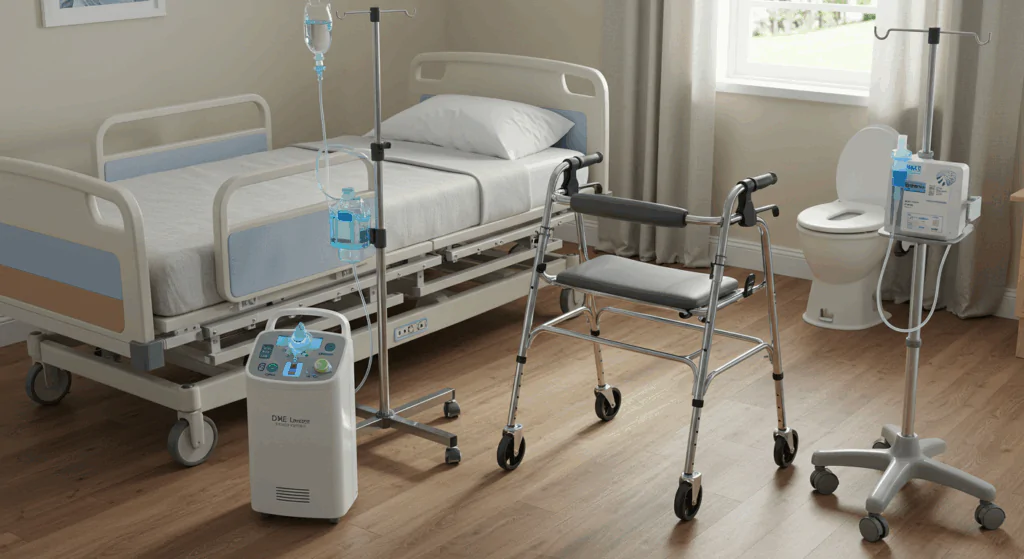
Meeting safety standards isn’t a one-time box to check—it requires continuous attention. Compliance testing and certification services make sure your equipment remains safe, accurate, and compliant with regulations.
What Compliance Testing Involves
- Electrical safety checks: Ensuring equipment is safe to use and free of shock hazards.
- Performance verification: Confirming that devices function exactly as they should.
- Detailed documentation: Providing proof that every device meets standards and is ready for inspection.
The Benefits for Providers
- Inspection readiness: Be prepared for state or Joint Commission reviews without last-minute stress.
- Improved safety: Reduce risks of patient harm caused by malfunctioning equipment.
- Reduced liability: Demonstrate diligence in maintaining equipment to meet insurance and regulatory requirements.
Why Choose Syracuse Biomedical Services
As a trusted partner for hospitals, clinics, and labs across Central New York, Syracuse Biomedical Services offers:
- Calibration, and repair for devices like anesthesia machines, infusion pumps, sterilizers, and hospital beds.
- Preventive maintenance programs tailored to your facility’s needs.
- Experienced technicians who bring decades of expertise to every inspection and repair.
Our focus is on keeping your facility compliant, efficient, and safe—so you can focus on patient care, not equipment issues.
Voices from Our Clients
“We’ve depended on Syracuse Biomedical Services to maintain and certify our critical patient monitors. Their prompt, professional service gives us peace of mind and keeps us ready for inspections.”
— Biomedical Equipment Manager, Central New York Clinic
Conclusion: Protect Patients and Stay Compliant
Biomedical technicians are the hidden backbone of modern healthcare, ensuring every piece of durable medical equipment functions safely. Following DME equipment safety standards isn’t just about regulations—it’s about protecting patients, staff, and the reputation of your facility.
With professional compliance testing and certification services, you’ll not only stay inspection-ready but also gain peace of mind that every device is reliable.
Take action today: Ensure your medical equipment meets every standard. Contact Syracuse Biomedical Services to schedule your compliance testing and certification service and keep your facility safe, efficient, and prepared.
Learn More About Biomedical Equipment Services:
– A Simple Guide to Understanding Sphygmomanometer Parts
– CT Scan Cost Explained: With and Without Insurance
– Trust the Experts for Delicate Lens Care: Learn How to Clean the Microscope Lens Without Common Pitfalls
– Restrictions While Wearing A Holter Monitor
– How Much Do X Rays Cost Without Insurance? What to Expect in 2026


