
Introduction
Walk into any modern hospital, and you’ll see technology everywhere—monitors tracking vital signs, infusion pumps delivering life-saving medication, ventilators supporting breathing, and imaging machines diagnosing illness. Behind the scenes, a highly skilled professional keeps this equipment running safely and reliably: the hospital equipment technician.
As healthcare grows more advanced, so does the demand for these technicians. Hospitals, long-term care centers, and clinics all depend on them to maintain compliance, ensure patient safety, and prevent costly downtime. According to the U.S. Bureau of Labor Statistics (2023), the broader field of medical equipment repair is projected to grow faster than average for many occupations, driven by the aging population and increasing reliance on technology.
In this article, we’ll explore why demand for hospital equipment technicians is rising, how choosing an experienced professional gives your facility a clear edge, and why Syracuse Biomedical Services is the trusted partner for healthcare providers across Central New York.
The Growing Demand for Hospital Equipment Technicians
Industry Growth and Workforce Trends
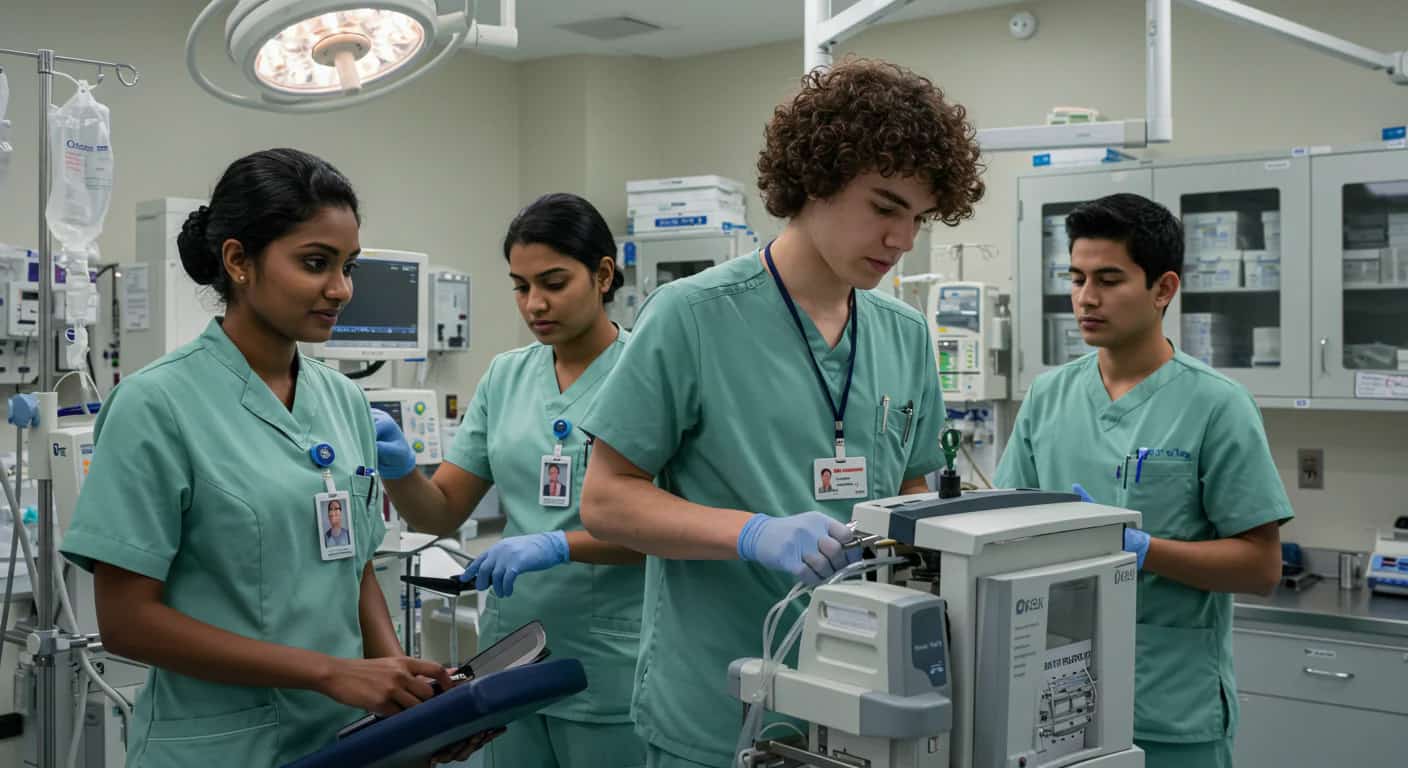
Hospitals are more dependent on technology than ever before. The U.S. healthcare industry is projected to keep growing steadily as populations age and chronic health conditions become more common (Bureau of Labor Statistics, 2023). With this growth comes the need for trained technicians who can repair, calibrate, and maintain complex medical devices.
Job Outlook for Hospital Equipment Technicians
| Factor Driving Growth | Impact on Demand for Technicians |
| Aging Population | More seniors require hospitals, long-term care, and home medical devices, creating a higher need for maintenance and repair. |
| Chronic Health Conditions | Diseases like diabetes, COPD, and heart disease increase reliance on advanced hospital equipment. |
| Technology Integration | Expansion of smart monitors, infusion pumps, and imaging machines requires skilled technicians to maintain and calibrate. |
| Compliance & Safety Regulations | Hospitals need certified technicians to keep equipment compliant with CMS and FDA standards. |
| Employment Outlook | Medical equipment repair jobs are projected to grow 13% from 2024–2034, faster than average (BLS, 2023). |
Healthcare facilities are also under pressure to reduce costs while maintaining high-quality care. A broken ventilator, a faulty infusion pump, or an out-of-service patient monitor doesn’t just delay treatment—it can directly impact patient outcomes. That’s why reliable technicians are becoming indispensable members of every healthcare team.
Why This Role Is Critical to Modern Healthcare
Hospital equipment technicians aren’t just mechanics; they are guardians of patient safety. Every calibration, inspection, and repair they complete ensures that doctors and nurses can deliver safe and effective care. Their work also helps facilities meet regulatory requirements from agencies like the Centers for Medicare & Medicaid Services (CMS) and the Food and Drug Administration (FDA).
Without skilled technicians, hospitals would face longer equipment downtime, higher liability risks, and more frequent compliance issues. In short, the technician’s role is no longer optional—it is essential.
Why Choosing an Experienced Hospital Equipment Technician Gives You an Edge
Risks of Working with Inexperienced Technicians
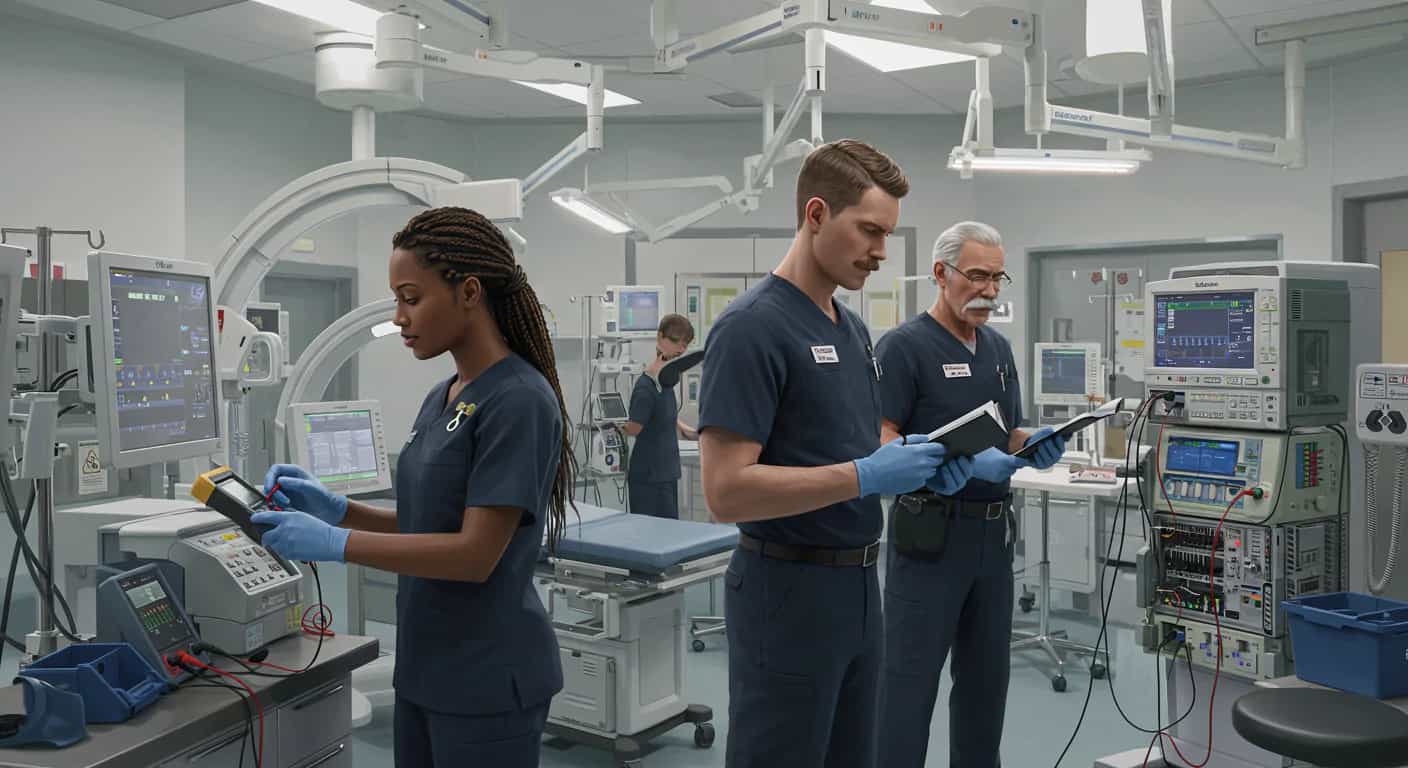
In the high-stakes environment of healthcare, there is little room for error. An inexperienced technician may overlook subtle issues, leading to equipment breakdowns at critical moments. Poor maintenance can also result in safety hazards, failed inspections, or costly emergency repairs.
At Syracuse Biomedical Services, our years of experience have shown us the difference between quick fixes and long-term solutions. Facilities that rely on underqualified providers often find themselves spending more in the long run, both financially and operationally.
Benefits of an Experienced Technician
When you work with an experienced hospital equipment technician, you gain more than just technical support. You gain peace of mind. Skilled technicians can:
- Diagnose and repair problems quickly, reducing downtime.
- Perform preventive maintenance that extends equipment lifespan.
- Keep your facility audit-ready by following strict compliance protocols.
- Support budgeting with proactive solutions that reduce costly emergencies.
In today’s healthcare environment, these benefits translate directly into stronger patient care and smoother operations.
How Expert Technicians Support Healthcare Facilities
Experienced technicians don’t just fix machines—they integrate into your team. At Syracuse Biomedical Services, our technicians work directly with administrators, nurses, and compliance officers to ensure equipment is safe, effective, and ready for use when needed.
Our expertise allows us to anticipate potential problems before they arise, providing facilities with proactive solutions. From surgical centers to long-term care facilities, we support healthcare teams by reducing stress and ensuring uninterrupted care.
Compare Our Technician Credentials & Hire with Confidence
Why Credentials and Training Matter
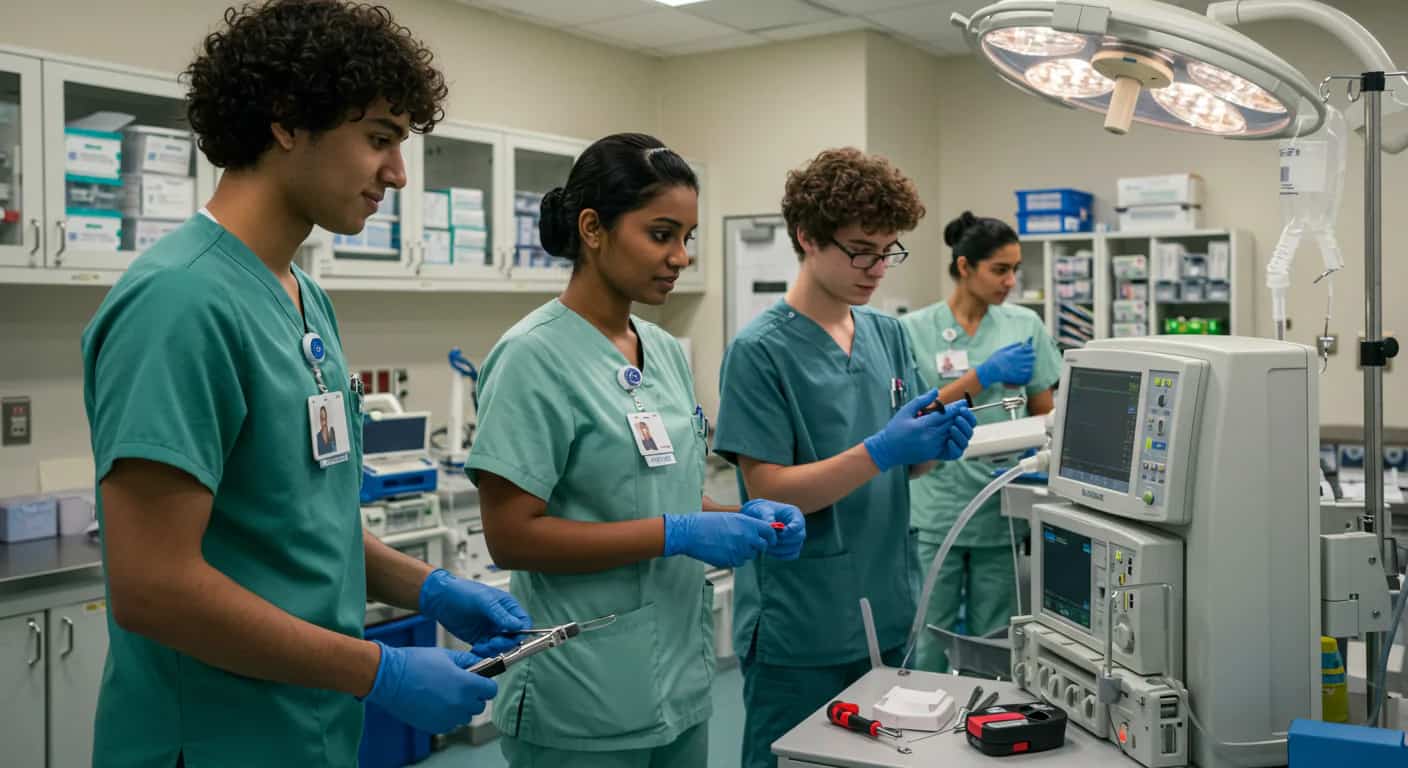
Not all technicians are created equal. Certifications like the Certified Biomedical Equipment Technician (CBET) designation and manufacturer-specific training ensure that professionals have the knowledge needed to work on advanced devices. Continuous education is also critical, as medical technology evolves rapidly.
Hiring a technician without these qualifications can put patients and facilities at risk. That’s why it’s essential to review credentials before entrusting someone with such a vital role.
Syracuse Biomedical Services’ Advantage
Syracuse Biomedical Services has been the trusted partner for healthcare facilities across Central New York. Our technicians bring:
- Professional certifications and ongoing training.
- Experience servicing a wide range of hospital equipment.
- Rapid-response repair and maintenance services.
- Preventive care programs that keep equipment reliable year-round.
- Deep knowledge of compliance standards and audit readiness.
This combination of expertise and reliability sets us apart from generic service providers. We don’t just repair equipment—we partner with facilities to ensure safe, efficient, and compliant healthcare delivery.
Call to Action
Your patients, staff, and community deserve the peace of mind that comes from having skilled, experienced technicians supporting your medical equipment.
Compare our technician credentials and hire with confidence today. Contact Syracuse Biomedical Services to schedule a free consultation or equipment review.
Helpful Links for Biomedical Equipment Services Information:
- A Simple Guide to Understanding Sphygmomanometer Parts
- CT Scan Cost Explained: With and Without Insurance
- Trust the Experts for Delicate Lens Care: Learn How to Clean the Microscope Lens Without Common Pitfalls
- Restrictions While Wearing A Holter Monitor
- How Much Do X Rays Cost Without Insurance? What to Expect in 2026
Conclusion
The demand for hospital equipment technicians is growing rapidly—and with good reason. As technology shapes modern healthcare, experienced professionals are essential for patient safety, compliance, and cost control.
By choosing Syracuse Biomedical Services, you gain a partner with years of expertise, technicians, and a commitment to excellence. Don’t leave your facility’s most vital equipment to chance—trust the experts who keep Central New York healthcare running smoothly.


