
Why Every Second Counts in Healthcare
In healthcare, every second matters. A small delay can make a big difference in patient outcomes. If a medical device stops working during a procedure, patient care is at risk immediately.
Think of a ventilator shutting down during surgery. Or an MRI machine freezing in the middle of a scan. These issues can delay diagnosis, interrupt treatment, and even put lives in danger. That’s why the role of a medical equipment repair technician is so critical—they ensure that life-saving machines stay reliable, accurate, and ready when needed most.
For example, a report by the Ponemon Institute (2016) found that healthcare facility downtime can cost around $740,357 per incident. When you break that down, it’s roughly $7,900 for every minute that critical systems are offline—far higher than earlier estimates.
This is why medical equipment repair technicians are essential. They keep devices safe, accurate, and ready to use. This helps you avoid costly breakdowns and protects patient safety.
What Happens When Critical Medical Equipment Fails Mid-Procedure
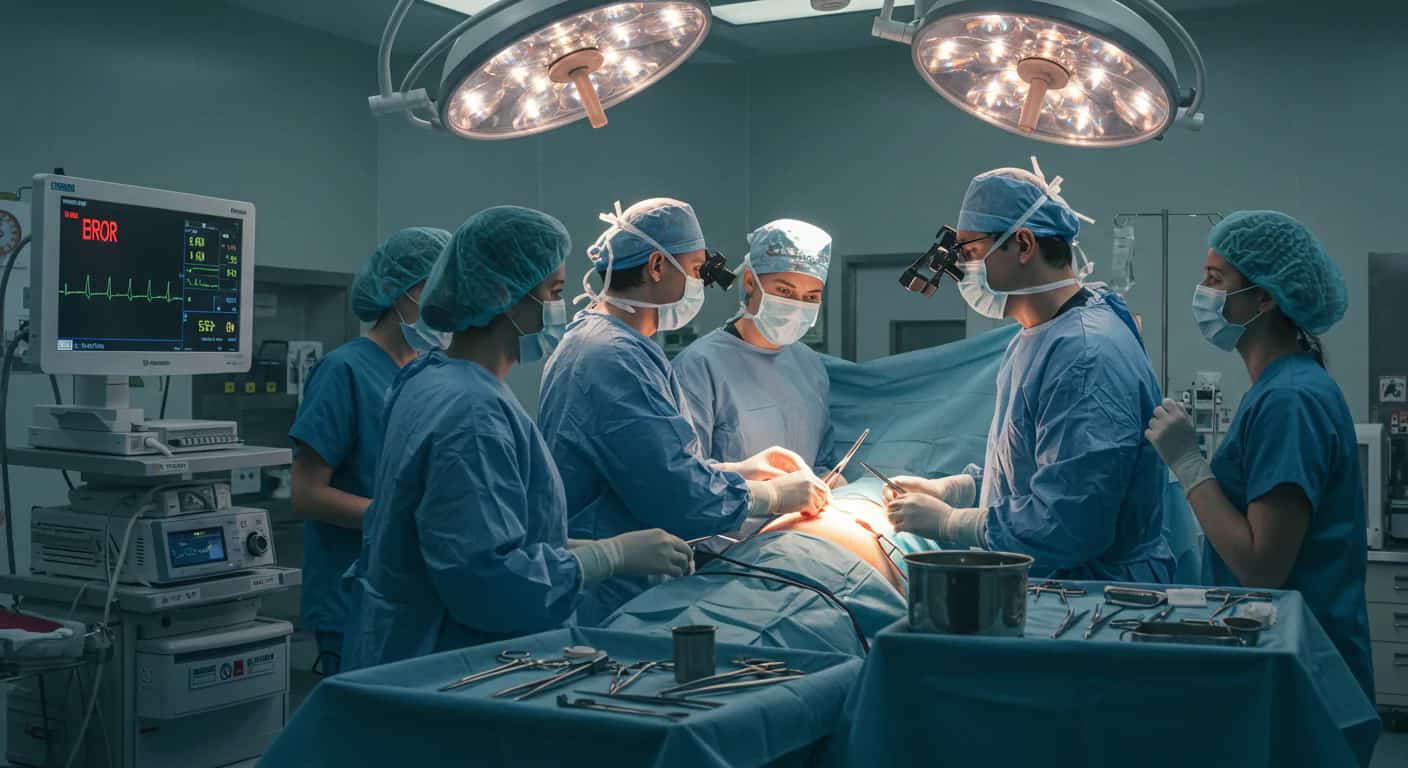
Even the best machines can fail. When it happens during a procedure, the impact is immediate and serious.
Risks of Equipment Failure
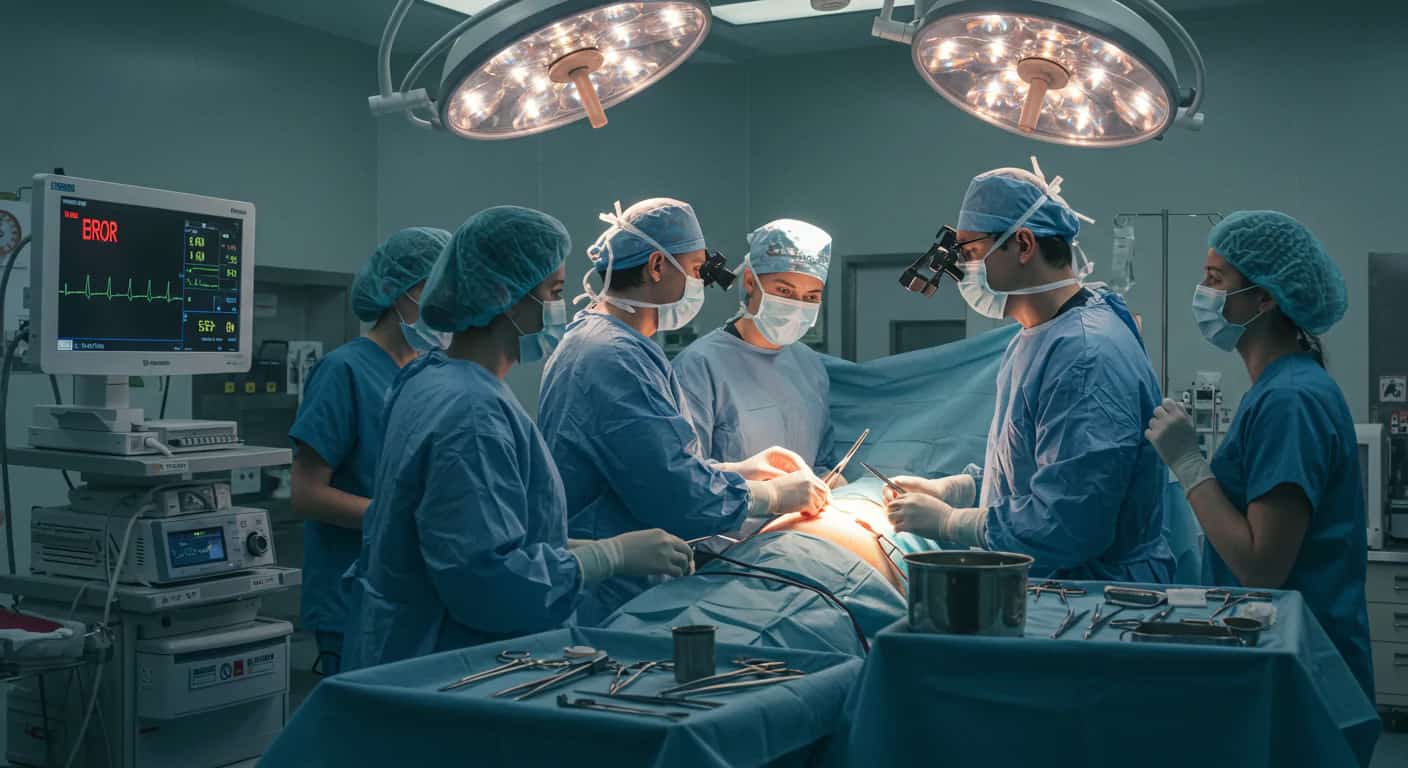
- Interrupted treatment – Surgeries, scans, or therapies may stop halfway.
- Delayed diagnosis – Tests might need to be repeated, wasting valuable time.
- Higher patient risk – Life-saving care could be delayed when it is needed most.
- Stress on staff – Medical teams must work quickly to find a solution.
The Association for the Advancement of Medical Instrumentation (AAMI, 2021) explains that preventive maintenance involves scheduled inspections, cleaning, testing, and replacing parts before they fail. This process helps keep equipment safe, reliable, and ready for use—reducing the chance of unexpected downtime.
Why Medical Equipment Fails

Medical devices are used for long hours every day. They work under demanding conditions. Over time, small problems can turn into complete failures.
Common Causes of Equipment Failure
- Missed or delayed maintenance
- Poor calibration
- Wear and tear from daily use
- Electrical or software faults
- Incorrect handling by staff
A loose part or inaccurate reading might seem minor. But without regular checks, these issues can cause a full shutdown.
How a Medical Equipment Repair Technician Keeps Your Facility Running

Repair technicians do more than fix broken machines. They are key to keeping your facility safe, efficient, and compliant.
1. Expert Knowledge Across Many Devices
They are trained to handle many types of medical equipment, including:
- Anesthesia machines
- Patient monitors
- Infusion pumps
- Imaging devices such as MRI, CT, and X-ray
- Surgical tools and sterilizers
They follow safety rules from both regulators and equipment makers. This ensures every repair meets strict standards.
2. Preventive Maintenance – Avoiding Problems Before They Happen
Preventive maintenance is one of their most valuable services. It includes:
- Looking for early signs of damage
- Calibrating machines to ensure accuracy
- Replacing worn parts before they fail
- Checking compliance with safety standards
At Syracuse Biomedical Services, each maintenance plan is built around the needs of the facility. This means fewer disruptions and equipment that is ready whenever it is needed.
3. Fast Emergency Repairs
When equipment fails without warning, time is critical. Skilled technicians can:
- Respond quickly to emergency calls
- Bring the tools and parts needed for fast fixes
- Repair devices on-site whenever possible
- Use service history for faster troubleshooting
Quick repairs reduce downtime and keep patient care moving without delay.
4. Training for Medical Staff
Some breakdowns happen because equipment is not used correctly. Technicians can train your staff to:
- Operate machines safely
- Perform daily basic checks
- Avoid mistakes that cause damage
This training helps prevent breakdowns and extends the life of expensive equipment.
Real-World Example
A surgery center in Central New York had an anesthesia machine fail right before the first operation of the day. Because they had a service contract with Syracuse Biomedical Services, a medical equipment repair technician arrived in less than an hour. The faulty vaporizer module was replaced and tested quickly. The machine was ready before the next surgery began. This avoided delays and costly cancellations.
Why You Should Book a Free Equipment Safety Consultation
Small problems can hide inside medical devices. If not found early, they can cause major failures.
Benefits of a Safety Consultation
- Find hidden issues before they become serious
- Stay compliant with regulations
- Receive a tailored maintenance plan
- Improve patient safety and trust
What’s Included
- Complete inspection of equipment
- Safety and performance testing
- Calibration if required
- Maintenance recommendations
- An emergency repair plan
Syracuse Biomedical Services offers free consultations for healthcare providers in Central New York. With years of combined experience, they know how to keep equipment in top condition.
Preparedness Saves Lives
In healthcare, equipment failure is more than a technical problem—it’s a patient safety risk. Delays in care can affect outcomes.
By working with a trusted medical equipment repair technician, you can:
- Avoid costly downtime
- Meet safety and compliance standards
- Protect patients and staff
Regular maintenance, quick repairs, and proper training make a facility safer and more efficient. If you want the peace of mind that comes with knowing your equipment is always ready, Syracuse Biomedical Services can help you stay prepared for anything.
To get more information on Biomedical Services, kindly check:
1. How Much Do X-Ray Cost and What You Need to Know
2. Everything You Need to Know About Volumetric Pumps
3. How much do X-Ray Cost Without Insurance? What to Expect in 2025
4. Biomedical Equipment Services


