
Managing pain is a crucial part of healthcare, especially after surgery or during serious illnesses. PCA pumps offer a modern solution for controlling pain with precision and ease. In this SBS guide, we’ll explore what PCA pumps are, how they work, and why they might be an excellent choice for you or someone you care about.
What Exactly is a PCA Pump?
A PCA pump stands for Patient-Controlled Analgesia pump. It’s a sophisticated device that allows patients to manage their own pain relief. By using a PCA pump, you can receive pain medication as needed, giving you control over your comfort. The pump delivers medication through an IV line and lets you press a button to receive doses of pain relief.
What Does Patient-Controlled Analgesia Mean?
Patient-Controlled Analgesia (PCA) allows you to be in charge of your pain management. With PCA, you use a pump to administer pain medication whenever you need it. This method is particularly useful because it provides immediate relief and allows you to manage your pain more effectively.
How Does a PCA Pump Work?
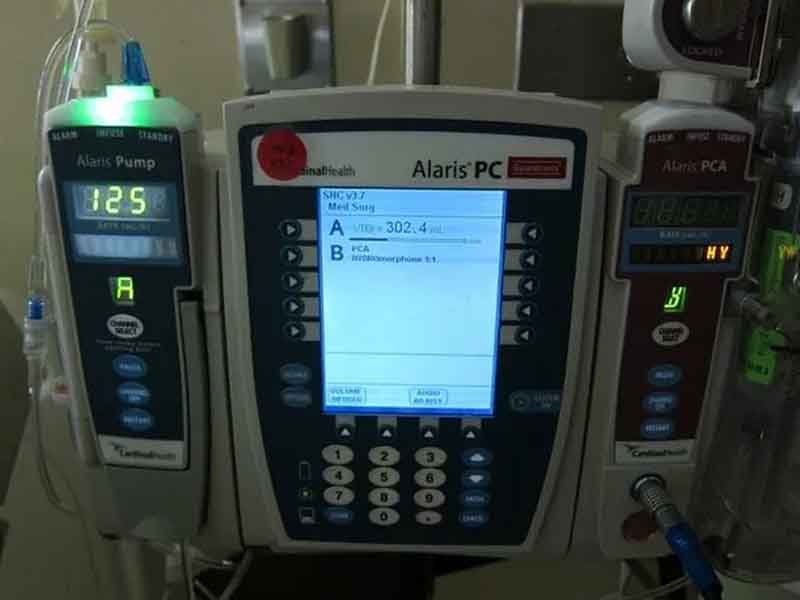
Understanding how a PCA pump works can make using it easier:
- Setup: Before surgery or treatment, your healthcare team programs the pump with the correct medication and dosage limits.
- Delivery: You press a button on the pump when you experience pain. The pump sends a controlled dose of medication through your IV line.
- Safety Features: The pump includes safeguards to ensure you don’t receive too much medication. These features limit the number of doses you can receive in a certain period.
Benefits of PCA Pumps
Using a PCA pump offers several benefits that can improve your experience:
- Autonomy: You control when you receive pain relief, which can be more effective than waiting for a nurse to administer medication.
- Consistent Relief: PCA pumps help maintain steady pain relief, as you can get medication at the first sign of discomfort.
- Quick Response: Immediate access to pain medication helps manage pain more promptly and efficiently.
Who Might Use a PCA Pump?
PCA pumps are commonly used in various medical situations:
- Post-Surgery Recovery: After operations, PCA pumps help manage pain effectively while allowing patients to remain active and comfortable.
- Chronic Pain Management: For ongoing pain conditions, PCA pumps offer a reliable way to manage pain consistently.
- Severe Illnesses: During serious or terminal illnesses, PCA pumps can provide much-needed comfort and pain relief.
Key Points About Using a PCA Pump
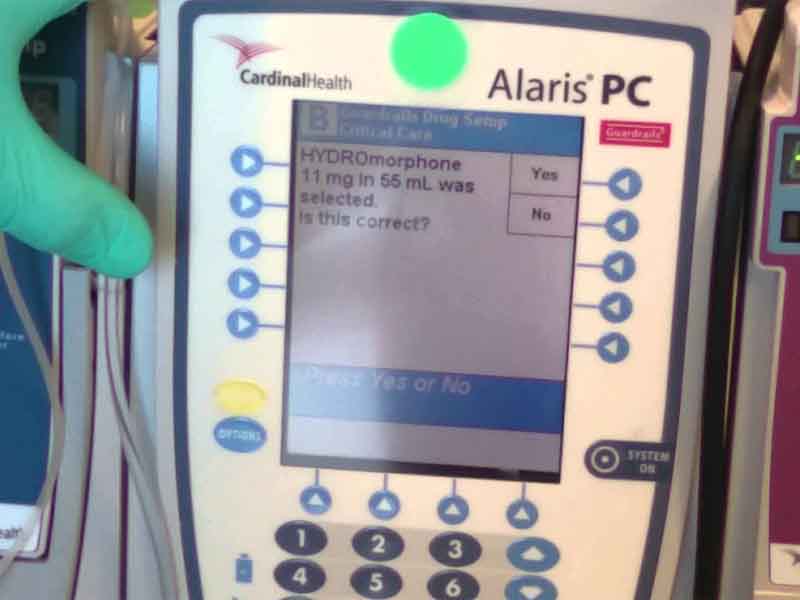
Here are some important things to know about PCA pumps:
- Learning to Use the Pump: Your healthcare team will demonstrate how to operate the pump and explain its safety features. Understanding how to use it effectively is key to managing your pain well.
- Using the Button: You’ll press the button to receive a dose of medication. The pump has built-in limits to prevent overuse, so you can only get medication within the safe dosage range.
- Communication is Crucial: Always inform your healthcare team about how the pump is working and if you’re still experiencing pain. They can adjust settings or provide additional support if needed.
How Often Should You Use the PCA Pump?
The PCA pump is designed for on-demand use. You can press the button whenever you feel pain. The pump’s safety features ensure you receive only the programmed amount of medication, so you can’t overdose by pressing the button too often. Your healthcare team will set these limits based on your needs and condition.
What Are the Side Effects of Opioid Medications?
Opioids are commonly used in PCA pumps, and while they are effective for pain relief, they can have side effects. These may include:
- Nausea: Feeling queasy or sick to your stomach.
- Drowsiness: Feeling unusually tired or sleepy.
- Constipation: Difficulty with bowel movements, which is a common side effect of opioids.
- Dizziness: Feeling lightheaded or unsteady.
- Respiratory Depression: Slow or shallow breathing, which can be a serious concern.
Your healthcare team will monitor you for these side effects and make adjustments as needed to ensure your safety and comfort.
Tips for Using a PCA Pump Safely

To get the most out of your PCA pump and use it safely, consider these tips:
- Know the Settings: Familiarize yourself with the pump’s settings and how it controls medication delivery.
- Report Pain Levels: Communicate openly with your healthcare team about your pain levels and how the pump is working for you.
- Stay Informed: Ask questions if you’re unsure about any aspect of using the pump or if you experience problems.
Common Questions and Answers
What if I press the button too often?
The PCA pump has built-in safeguards to prevent overdose. You can only receive medication within the set limits, so pressing the button too much won’t result in excessive medication.
What if I forget to press the button?
If you forget to press the button or are in too much pain, your healthcare team can help adjust the pump settings or provide additional pain relief.
Can the PCA pump be used for other types of pain?
PCA pumps are primarily designed for managing severe pain. For other types of pain, different treatments or methods might be more appropriate.
Conclusion
PCA pumps are a powerful tool for managing pain, offering patients control and quick relief. They are used in various medical situations, providing effective pain management when it’s needed most. With the right support and information, PCA pumps can make a significant difference in your comfort and recovery.
If you have any questions or concerns about using a PCA pump, don’t hesitate to reach out to your healthcare team. They are there to help you navigate your pain management and ensure you get the best possible care.


