
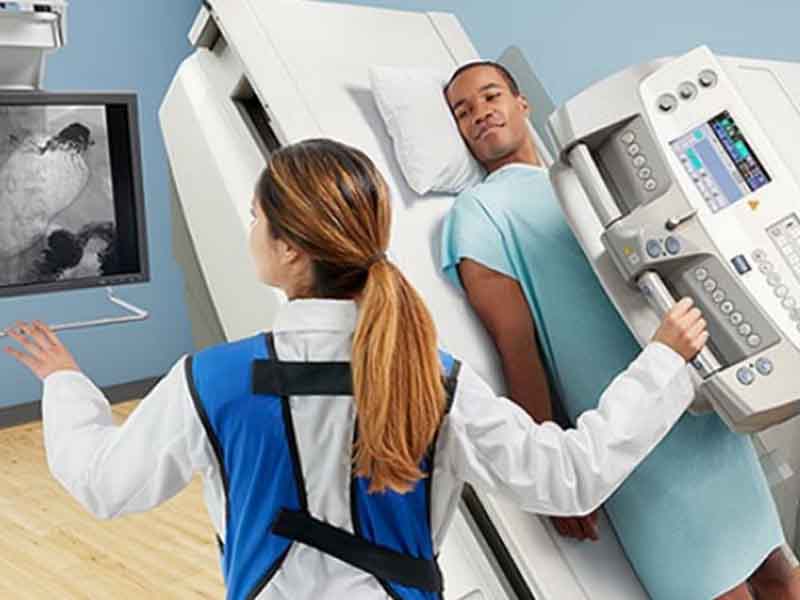
Fluoroscopy is a medical imaging technique that allows doctors to see the internal structures of the body in real time. Unlike traditional X-rays, which provide static images, fluoroscopy offers dynamic, moving images. This technology is often used to guide procedures, diagnose conditions, and monitor the progress of diseases.
 Fluoroscopy offers several advantages:

 If you have problems with fluoroscopy equipment or procedures, like if something breaks or causes side effects, you should tell the FDA. This helps make sure the equipment and procedures are safe and work well.
 Fluoroscopy has a wide range of applications in medicine. Some of the most common uses include:
 Fluoroscopy can be used in various examinations, including:
Benefits of Fluoroscopy
Fluoroscopy offers several advantages:
- Real-Time Imaging: Provides immediate feedback during procedures, which can improve accuracy and outcomes.
- Detailed Visualization: Offers detailed images of internal organs and structures, enhancing diagnostic capabilities.
- Guidance for Minimally Invasive Procedures: Helps guide doctors during minimally invasive surgeries, reducing the need for larger incisions.
Risks and Considerations
While fluoroscopy is generally safe, it does involve exposure to X-rays. It’s important to consider the following:- Radiation Exposure: Prolonged or repeated exposure to X-rays can increase the risk of radiation-related health issues. However, the benefits of fluoroscopy often outweigh the risks, especially when used appropriately.
- Pregnancy: Special precautions are taken for pregnant patients to minimize radiation exposure to the developing fetus.
Information for Patients
- Understanding the Procedure: Patients should ask their healthcare provider about the purpose of the exam and what to expect during the procedure.
- Follow Instructions: Adhering to preparation guidelines, such as fasting or avoiding certain medications, can help ensure the procedure’s success.
- Post-Procedure Care: After the exam, follow any instructions given by the healthcare provider regarding recovery and activity restrictions.
Information for Health Care Providers
Referring Physician: Make sure to clearly share the patient’s history, symptoms, and what’s needed for the fluoroscopy with the imaging team. Imaging Team: The imaging team should know how to use fluoroscopy and position patients correctly to get the best images. Radiation Protection for Health Care Workers: Use safety measures like lead shields and keep exposure time short to protect staff from radiation. Regulations and Guidelines: Follow local and national rules for imaging to keep everything safe and up to standard.Information for Industry
- Equipment Standards: Companies must ensure that fluoroscopy machines are safe and work correctly.
- Innovation and Improvement: Ongoing research and updates are needed to make technology better and improve how we see inside the body.
- Training and Support: It’s important to give healthcare providers the right training and help to use and care for fluoroscopy equipment properly.
Reporting Problems to the FDA
 If you have problems with fluoroscopy equipment or procedures, like if something breaks or causes side effects, you should tell the FDA. This helps make sure the equipment and procedures are safe and work well.
Why Report Problems?
Reporting problems helps the FDA check that medical devices are safe and fix any issues. This makes sure that devices stay safe for everyone.How to Report Problems
- Fill Out a Form: Go to the FDA’s MedWatch website and fill out a form with details about the problem.
- Submit the Form: Send the form online or by mail.
How Does Fluoroscopy Work?
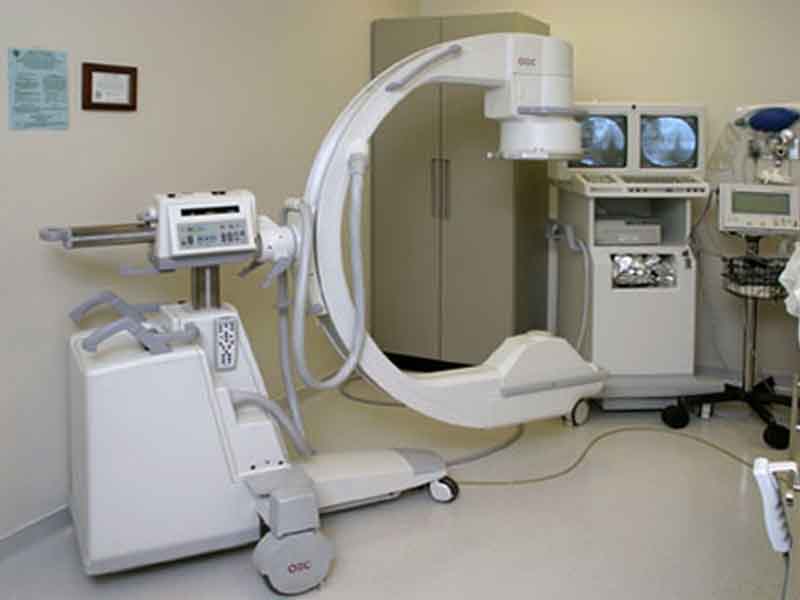
Fluoroscopy uses a continuous X-ray beam to create images of the body. Here’s how it works:- X-Ray Source: An X-ray machine emits a continuous beam of X-rays.
- Image Detection: These X-rays pass through the body and are captured by a detector or imaging plate.
- Real-Time Display: The images are shown on a screen so doctors can see the inside of your body while things are happening.
Common Uses of Fluoroscopy
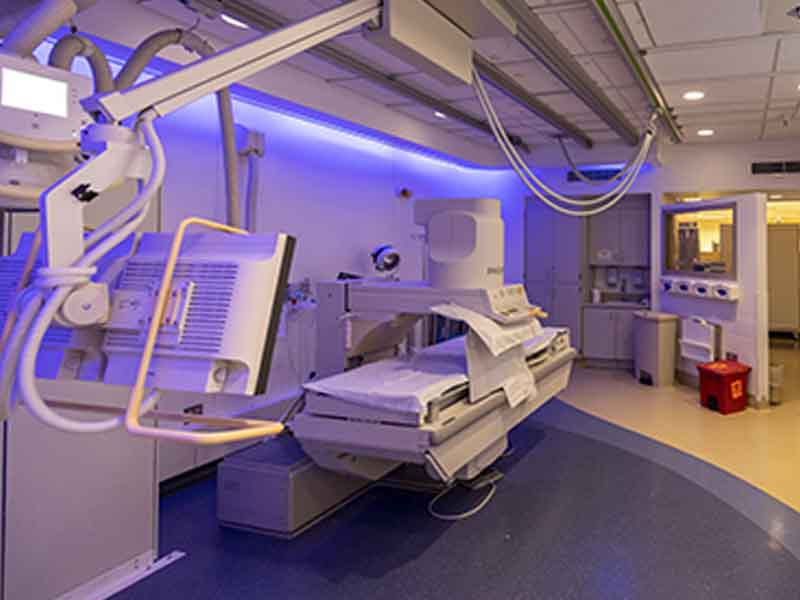 Fluoroscopy has a wide range of applications in medicine. Some of the most common uses include:
- Guiding Procedures: Fluoroscopy helps doctors with tasks like putting in catheters, giving joint injections, and doing some surgeries. It shows live pictures to guide them during the process.
- Diagnosing Conditions: Doctors use fluoroscopy to check your digestive system. It helps with tests like an upper GI series or a barium swallow to see how well your stomach and intestines are working.
- Assessing Joint and Bone Health: Fluoroscopy is used to check your joints and bones. It helps doctors see how your joints move and if your bones are in the right place, which is important for finding broken bones or dislocated joints.
Preparation and Procedure
Before the Exam
- Avoid Eating or Drinking
- Why: You might need to skip meals or drinks before the test to help get clear images.
- How: Your doctor will tell you how long you should fast.
- Wear Comfortable Clothing
- Why: You might need to change into a hospital gown for the exam.
- How: Wear easy-to-remove clothes to your appointment.
- Inform About Medical History
- Why: Telling your doctor about your health and allergies helps them prepare for the exam.
- How: Share details about any health conditions or medications you take.
During the Procedure
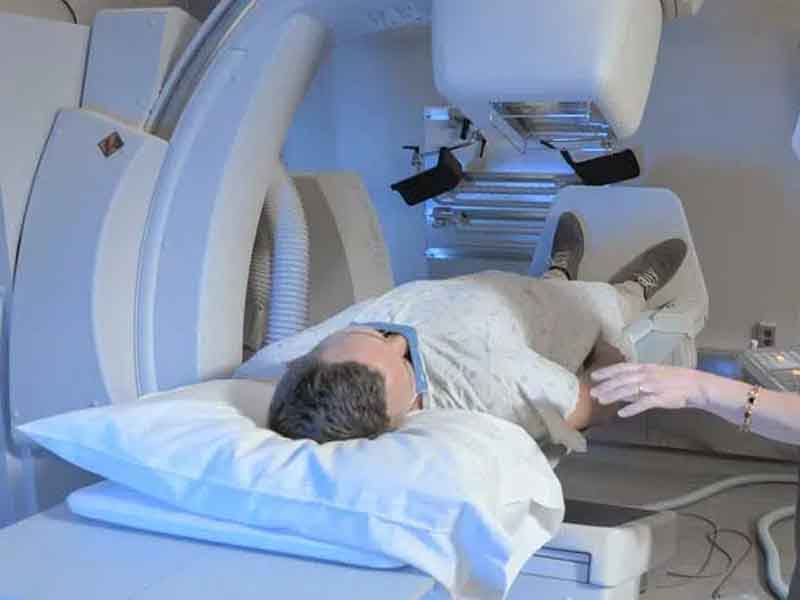
- Positioning
- What: You’ll lie down on a table.
- Why: This helps the doctor get the best images.
- Procedure
- What: The doctor will use a special machine to take live images of your body.
- Why: This lets them see inside you while they work, helping them guide the procedure.
After the Procedure
Recovery Time
- Quick Recovery: You usually don’t need much time to recover. You can go back to your normal activities soon after the exam.
Follow-Up Instructions
- What to Do: The medical team will give you instructions based on what was done. This might include:
- Eating or Drinking: They might tell you if you need to eat or drink something special.
- Activity Restrictions: You might need to avoid certain activities for a while.
- When to Call: They will let you know if you should contact them if you have any problems.
Summary
- Follow Instructions: Make sure to follow the instructions you’re given.
- Back to Routine: Most of the time, you can get back to your routine right away.
What Examinations Might Include Fluoroscopy?
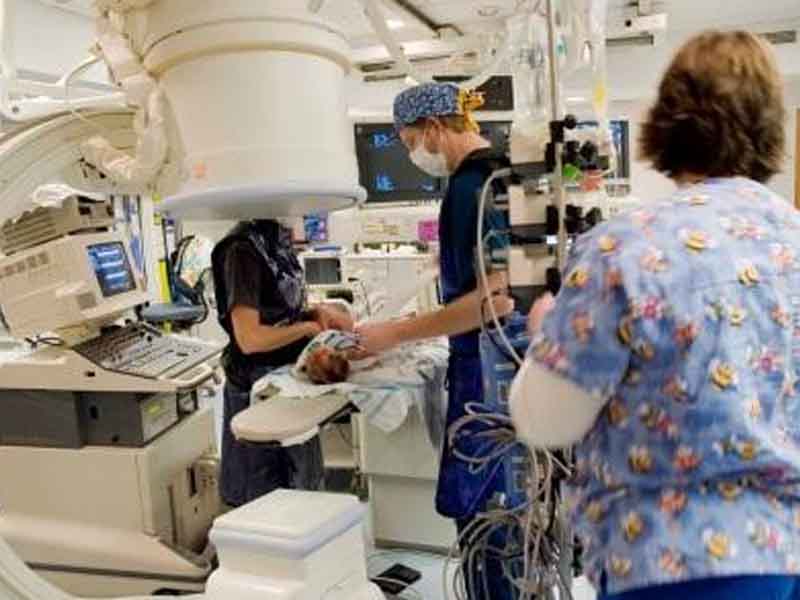 Fluoroscopy can be used in various examinations, including:
- Upper GI Series: Evaluates the esophagus, stomach, and small intestine.
- Barium Swallow: Assesses swallowing and esophageal function.
- IVP (Intravenous Pyelogram): Examines the kidneys, ureters, and bladder.
- Arthrogram: Visualizes joints, such as the knee or shoulder.
- Fluoroscopic Guidance for Biopsies and Catheters: It helps doctors place and monitor catheters and perform biopsies accurately during less invasive procedures.
What Are the Reasons for a Fluoroscopy?
Fluoroscopy is used for various reasons, such as:- Diagnosing Diseases: Helps in diagnosing conditions affecting the digestive, urinary, or musculoskeletal systems.
- Guiding Procedures: Provides real-time guidance during procedures like catheter placements and joint injections.
- Evaluating Function: Assesses the function of organs and structures, such as how well a joint moves.


